The dream of escaping the frantic pace of urban life for the tranquil embrace of the countryside is a sentiment shared by many. Whether it is the vision of a sprawling farmhouse on a vast acreage or a cozy cottage nestled in a wooded glade, country house plans remain among the most popular choices for homeowners seeking comfort, tradition, and a deep connection with nature.
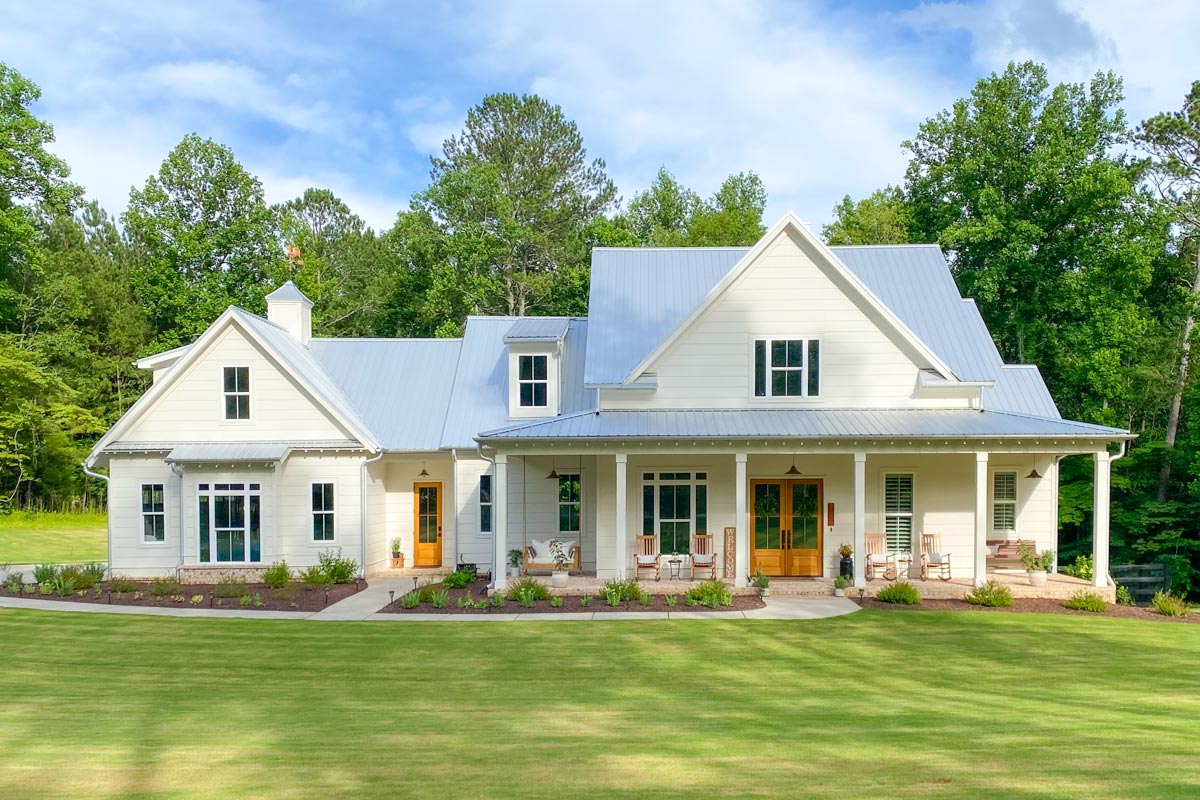
Unlike modern minimalist designs that often prioritize sharp edges and industrial materials, country house architecture focuses on warmth, practicality, and the use of natural elements. It is an architectural style that tells a story of heritage while seamlessly integrating modern amenities. In this guide, we will explore the essential elements that define country house plans and how to design a home that stands the test of time.
1. Defining the Aesthetic: What Makes a House “Country”?
Country house plans are not defined by a single rigid style, but rather by a collection of characteristics that evoke a sense of informal elegance. Historically, these homes were built to be functional for those working the land, which led to specific design choices that we still cherish today.
The most recognizable feature of a country house is its silhouette. Gabled rooflines, large windows, and, perhaps most importantly, the expansive porch are hallmark traits. The porch serves as a transitional space—a literal and metaphorical bridge between the comfort of the indoors and the beauty of the landscape. Whether it is a wraparound veranda or a simple covered entry, this feature invites residents to slow down and enjoy the fresh air.
Inside, the focus is on a relaxed atmosphere. You will often find “great rooms” with high ceilings, exposed timber beams, and large fireplaces that act as the heart of the home. The use of natural materials like stone, reclaimed wood, and brick ensures that the house feels like an extension of the earth it sits upon.
2. The Heart of the Home: The Farmhouse Kitchen
In any country house plan, the kitchen is more than just a place to prepare food; it is the social hub of the family. The design usually favors a “country kitchen” layout, which prioritizes space and durability.
Key elements often found in these plans include:
- The Farmhouse Sink: Also known as an apron-front sink, these are deep and wide, originally designed to handle heavy-duty tasks while providing a striking visual centerpiece.
- Large Islands: Country living often involves gathering, so a large central island provides space for meal prep, casual dining, and conversation.
- Open Shelving and Walk-in Pantries: These features reflect the practical roots of rural living, where easy access to ingredients and home-canned goods was essential.
3. Designing for Connection with the Landscape
One of the primary reasons people choose country house plans is to maximize their interaction with the outdoors. Professional architectural plans for rural settings prioritize “sightlines.” This means placing large windows and glass doors in positions that frame the most beautiful views of the property—whether that is a rolling hill, a quiet pond, or a sunset over a meadow.
Furthermore, country homes often feature “mudrooms.” This is a highly practical addition designed to bridge the gap between the muddy outdoors and the clean interior. A well-designed mudroom includes built-in cubbies, benches, and durable flooring like slate or tile, ensuring that the transition from a garden walk to the living room is seamless and tidy.
4. Modern Adaptations: Combining Tradition with Technology
While the aesthetic of a country house is rooted in the past, modern country house plans are marvels of 21st-century engineering. Homeowners no longer have to choose between a rustic look and energy efficiency.
Today’s country plans often incorporate:
- Energy-Efficient Envelopes: High-quality insulation and double-paned windows are disguised behind traditional siding and shutters.
- Open Floor Plans: Traditional country homes often had many small, closed-off rooms to conserve heat. Modern plans open these spaces up to create a “flow” that suits contemporary family life, while using modern HVAC systems to maintain temperature.
- Smart Home Integration: You can now have a home that looks like a 19th-century farmhouse but features automated lighting, high-speed fiber optics, and advanced security systems hidden behind the reclaimed wood paneling.
5. Flexibility and Room for Growth
Country house plans are celebrated for their versatility. Because these homes are often built on larger plots of land, the plans frequently include options for future expansion. This might include a “bonus room” over a detached garage, a walk-out basement that can be converted into a guest suite, or the structural capability to add a sunroom in the future.
This flexibility makes country houses excellent multi-generational homes. They provide enough space for privacy while maintaining communal areas that bring everyone together, making them a “forever home” in the truest sense.
Conclusion
Country house plans offer a unique blend of nostalgia and modern functionality. By focusing on natural materials, expansive outdoor living spaces, and a heart-of-the-home kitchen, these designs provide a sanctuary that feels grounded and authentic. Whether you are building a weekend getaway or a permanent residence, a country-style home offers a timeless appeal that honors the past while embracing the comforts of the future. It is not just about building a structure; it is about creating a lifestyle centered on peace, family, and the beauty of the natural world.
Would you like me to help you compare specific variations of this style, such as the Modern Farmhouse versus the French Country Cottage, to see which fits your vision best?