Systematic Home Sanitation: Strategic Approaches for Effortless Maintenance
Maintaining a clean and hygienic living environment is often perceived as an overwhelming, time-consuming chore. Many homeowners struggle with reactive cleaning—addressing messes only when they become unavoidable, leading to fatigue and inefficiency. However, transforming home maintenance into an effortless routine relies on adopting systematic, professional strategies rather than relying on sporadic, heavy-duty cleaning sessions.
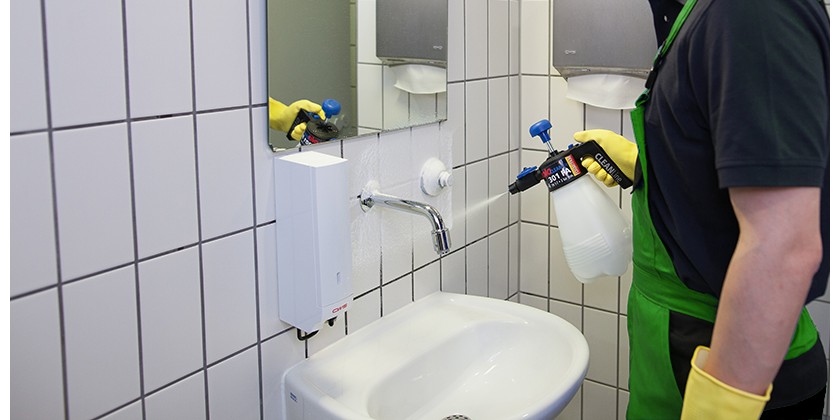
By restructuring your cleaning methodology around zonal workflows, professional tool ergonomics, and non-toxic chemistry, you can keep your home in a perpetual state of order. A strategic approach reduces daily effort while maximizing indoor hygiene and visual clarity.
1. The Top-to-Bottom, Left-to-Right Methodological Framework
The most common mistake in home cleaning is working without a clear directional strategy. Cleaning surfaces at random often results in cross-contamination and dust settling on areas that were already sanitized. Professional cleaners follow a strict spatial system to eliminate redundant labor.
- Vertical Gravity Workflow: Always begin cleaning at the highest point