Systematic Home Sanitation: Strategic Approaches for Effortless Maintenance

Maintaining a clean and hygienic living environment is often perceived as an overwhelming, time-consuming chore. Many homeowners struggle with reactive cleaning—addressing messes only when they become unavoidable, leading to fatigue and inefficiency. However, transforming home maintenance into an effortless routine relies on adopting systematic, professional strategies rather than relying on sporadic, heavy-duty cleaning sessions.
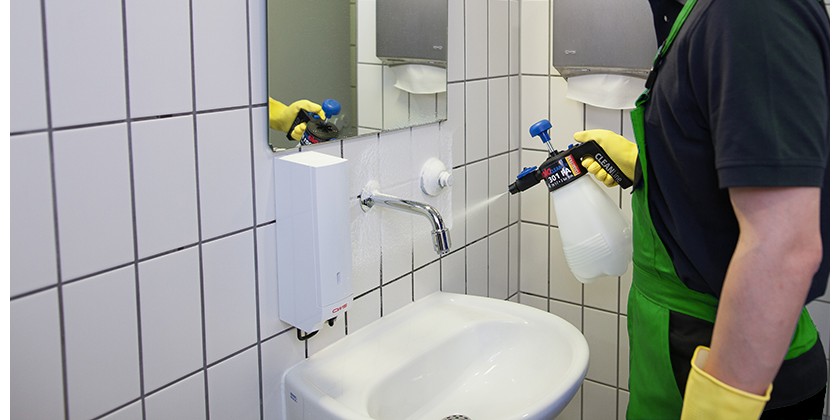
By restructuring your cleaning methodology around zonal workflows, professional tool ergonomics, and non-toxic chemistry, you can keep your home in a perpetual state of order. A strategic approach reduces daily effort while maximizing indoor hygiene and visual clarity.

1. The Top-to-Bottom, Left-to-Right Methodological Framework

The most common mistake in home cleaning is working without a clear directional strategy. Cleaning surfaces at random often results in cross-contamination and dust settling on areas that were already sanitized. Professional cleaners follow a strict spatial system to eliminate redundant labor.

  • Vertical Gravity Workflow: Always begin cleaning at the highest point
… Read more Continue Reading

Redefining the Living Space: The Evolution and core Principles of Modern Home Design

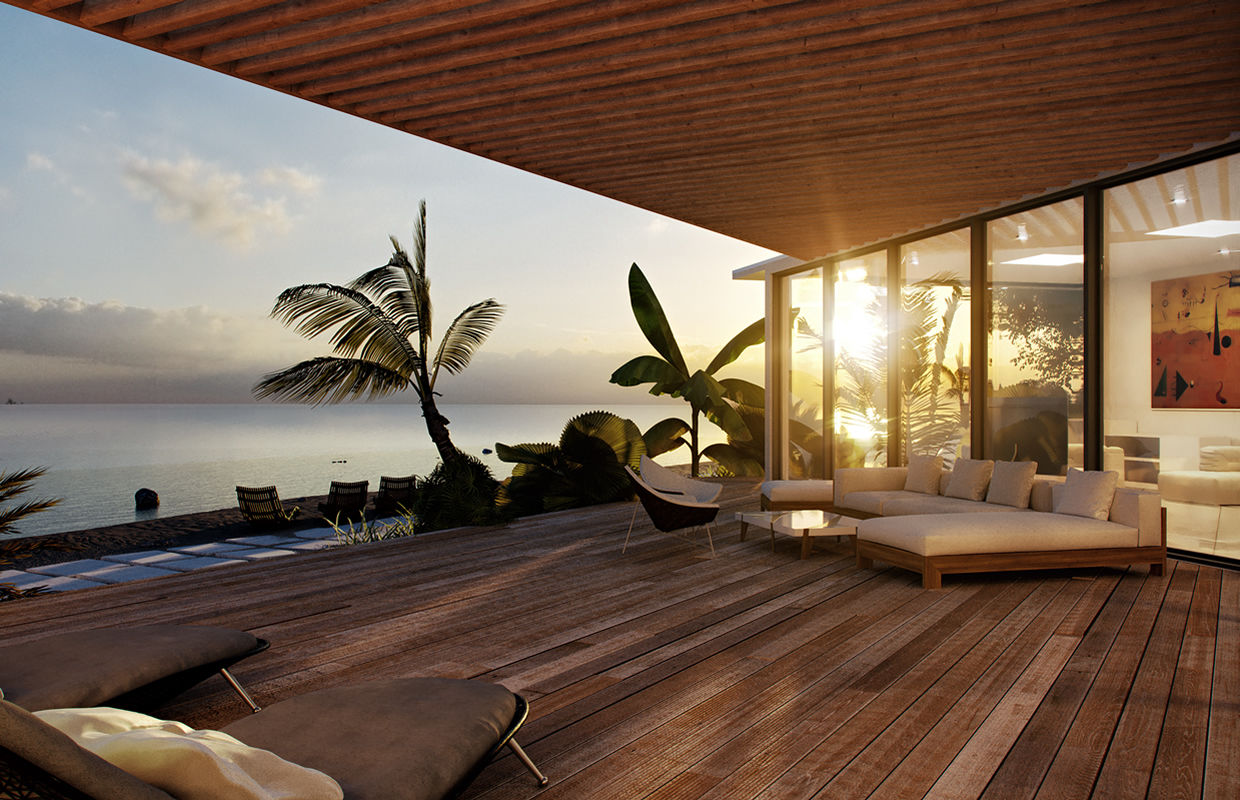
The concept of a modern home has evolved far beyond sleek furniture and minimalist decor. Today, modern residential design represents a holistic approach to living—one that seamlessly merges structural functionality, technological intelligence, environmental sustainability, and psychological well-being. Rather than treating a house as merely a physical shelter, the contemporary architectural movement views the home as a dynamic, adaptable ecosystem tailored to the nuanced demands of modern human life.

Understanding the true essence of modern home design requires looking past superficial aesthetics. It involves examining how space, light, materials, and digital connectivity interact to create an environment that enhances daily routines and fosters long-term comfort.

1. Spatial Fluidity and Purposeful Open Planning

One of the defining hallmarks of modern residential architecture is the departure from rigid, compartmentalized rooms. Traditional floor plans relied on distinct walls to separate the kitchen, dining, and living areas, often creating tight, isolated pockets within the house.… Read more

Continue Reading