Building a custom home is perhaps the most significant financial and emotional investment an individual will ever make. It is a journey that begins with a dream of the perfect living space and culminates in the physical reality of a structure. However, between the dream and the reality lies the often-intimidating world of budgeting and financial planning.
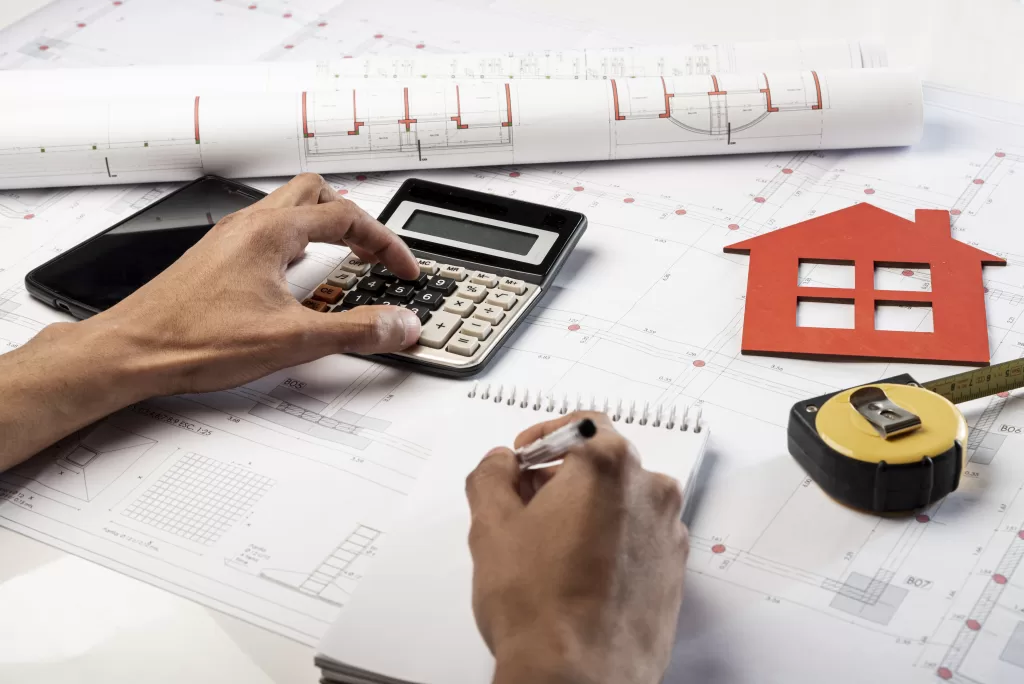
“Counting the cost” is not merely about having enough money in the bank; it is about understanding the granular details of where every cent is allocated. Failing to accurately estimate construction costs is the primary reason why many home projects stall or lead to significant financial distress. This article provides a professional breakdown of the essential factors you must consider when calculating the true cost of building your own home.
1. Land Acquisition and Site Preparation
The first major expense in the journey of building a house is the land itself. However, the purchase price of the plot is only the beginning. New homeowners often underestimate the “soft costs” associated with preparing that land for construction.
Before a single brick is laid, you must account for:
- Surveying and Soil Testing: Professional surveyors must mark property lines, and geotechnical engineers must test the soil to determine what kind of foundation the land can support.
- Clearing and Grading: Removing trees, rocks, and leveling the ground can be surprisingly expensive, especially on sloped or heavily wooded lots.
- Utility Connection Fees: Bringing water, electricity, sewage, and gas lines from the street to your building site often involves significant municipal fees and labor costs.
2. Professional Fees and Permits
A significant portion of your budget will be spent before the first shovel hits the ground. These are the administrative and intellectual costs of the project.
You will need to hire a team of experts, including an architect to design the blueprints and a structural engineer to ensure the safety of the design. Architect fees can range from a flat fee to a percentage of the total construction cost. Additionally, do not overlook the cost of building permits. Local governments charge fees for reviewing plans and conducting inspections throughout the build process to ensure the house meets safety codes. These “invisible” costs can easily account for 5% to 15% of your total budget.
3. The “Hard Costs” of Construction
This category represents the physical structure of the house. It is generally the largest part of the budget and is divided into several key phases:
Foundation and Framing
The skeleton of your home is its most vital component. The cost of concrete for the foundation and the price of lumber or steel for framing are highly susceptible to market fluctuations. If material prices spike during your planning phase, your estimates may need to be adjusted weekly.
Exterior Shell
This includes the roofing, siding, windows, and exterior doors. Choosing high-quality, energy-efficient windows may cost more upfront but will save money on utility bills in the long run. The complexity of the roofline also significantly impacts labor and material costs.
Systems and Infrastructure
Often referred to as “rough-ins,” this phase involves installing the electrical wiring, plumbing, and HVAC (heating, ventilation, and air conditioning) systems. These are hidden behind the walls, but they are the “organs” of the house. Cutting corners here can lead to disastrous maintenance issues in the future.
4. Interior Finishes and Customization
This is where the budget often spirals out of control. While the structure has a relatively predictable cost based on square footage, interior finishes vary wildly based on taste.
A kitchen, for example, can cost $20,000 or $200,000 depending on whether you choose stock cabinets and laminate counters or custom cabinetry and imported marble. Flooring, tiling, light fixtures, and paint are all areas where “scope creep” occurs. It is essential to decide on your finishes early in the process and stick to those choices to avoid expensive change orders once construction has begun.
5. Landscaping and Exterior Amenities
Many homeowners focus so much on the interior that they forget about the exterior. A house is not a home until it has a driveway, walkways, and a yard. Landscaping can be a massive expense, including sod, irrigation systems, fencing, and outdoor lighting. If you plan on adding a deck, patio, or swimming pool, these must be treated as separate, major line items in your initial budget.
6. The Essential Contingency Fund
If there is one rule in construction, it is that something will go wrong. Weather delays, supply chain disruptions, or the discovery of an underground rock formation can all lead to unexpected costs.
A professional builder will always recommend a contingency fund of at least 10% to 20% of the total project cost. This is not “extra” money for upgrades; it is a safety net to ensure that the project can be completed even when obstacles arise. If you reach the end of the project without using it, you can then apply it toward furniture or landscaping.
Conclusion
Counting the cost of building a house requires a balance of optimism and cold, hard realism. By breaking the budget down into land preparation, professional fees, structural hard costs, interior finishes, and a healthy contingency fund, you can create a financial roadmap that leads to a successful completion. Building a home is a marathon, not a sprint, and the most successful projects are those where the budget was as well-constructed as the house itself.
Would you like me to help you create a simplified budget spreadsheet template to help you categorize these expenses for your own project?