Creating a living space that feels both functional and personal is one of the most rewarding journeys a homeowner can undertake. Selecting furnishings for your own home is not merely about filling a void or following a fleeting trend; it is about curating an environment that reflects your identity, supports your lifestyle, and provides a sanctuary from the outside world. When done correctly, the right furniture and decor can transform a house into a home, offering comfort for the body and inspiration for the soul.
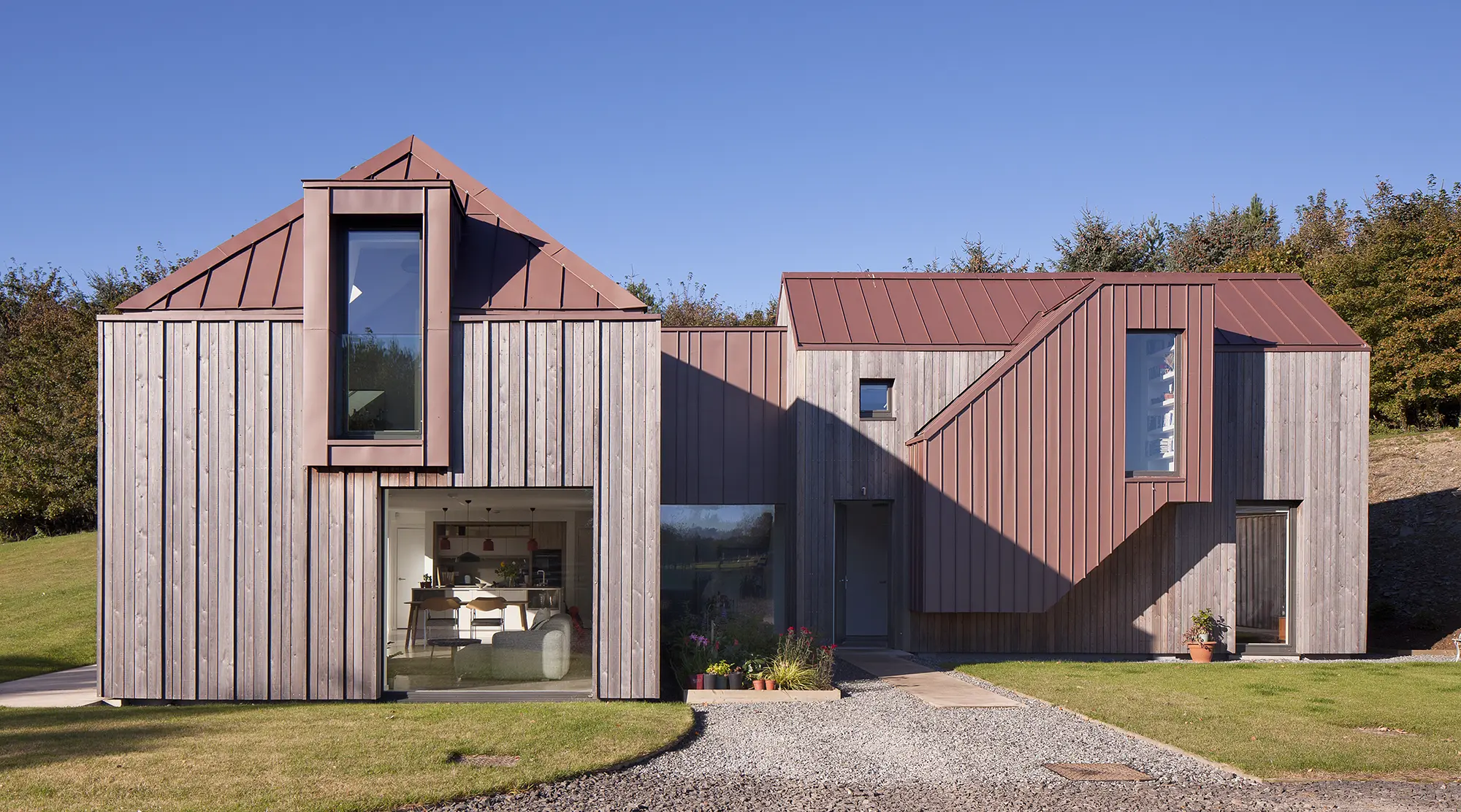
In this guide, we will explore the essential strategies for choosing furnishings that balance aesthetics with utility, ensuring your home remains a timeless reflection of your unique taste.
Establishing a Vision: Concept Before Consumption
The most common mistake people make when furnishing a home is buying individual pieces they love without considering the larger picture. This often results in a disjointed aesthetic where the scale, color, and style of different rooms clash. Before you step foot into a showroom or browse an online catalog, you must establish a cohesive vision.
Start by identifying the “mood” you want to evoke. Do you crave the clean lines and minimalism of a Scandinavian retreat, the warmth and history of a rustic farmhouse, or the bold energy of a maximalist apartment? Once you have a general theme, create a mood board. This visual tool helps you see how different textures, such as velvet, wood, and metal, interact with one another. Remember, a cohesive home does not mean every room must look identical; rather, there should be a “common thread”—a recurring color palette or material—that ties the entire space together.
Prioritizing Quality: The Investment Pieces
In the world of home furnishings, not all items are created equal. To shop successfully, you must distinguish between “investment pieces” and “accent pieces.” Investment pieces are the workhorses of your home—the items you use every day and expect to last for a decade or more.
Typically, investment pieces include:
- The Sofa: Often the centerpiece of the living room, a high-quality sofa should have a kiln-dried hardwood frame and durable, high-rub-count fabric.
- The Bed: Since we spend a third of our lives sleeping, a sturdy bed frame and a premium mattress are non-negotiable for long-term health and comfort.
- The Dining Table: This is a gathering spot for family and friends; choosing solid wood over veneer ensures it can be refinished and passed down through generations.
When purchasing these items, it is often better to wait and save for a higher-quality piece than to buy a “fast-furniture” alternative that will end up in a landfill within a few years.
Mastering Scale and Proportion
A beautiful piece of furniture can look awkward if it is too large or too small for the room it occupies. Understanding scale and proportion is the “secret sauce” of professional interior design.
Before purchasing, always measure your space and use painter’s tape to outline the footprint of the furniture on the floor. This allows you to visualize the “flow” of the room and ensure there is enough space for walkways. In a small room, choosing furniture with exposed legs can create an illusion of more space by allowing light to pass underneath. Conversely, in a large, high-ceilinged room, you may need “oversized” pieces and tall shelving to prevent the space from feeling cold and empty.
The Role of Textiles and Lighting
Once the large furniture is in place, the “soul” of the room is added through textiles and lighting. These are the elements that provide warmth and character.
Textiles, such as rugs, curtains, and throw pillows, are the easiest way to introduce color and pattern without committing to a permanent change. A large area rug can ground a seating area, while linen curtains can soften the harsh lines of a window frame.
Lighting is equally crucial. A well-furnished home utilizes “layered lighting” rather than relying solely on a single overhead fixture. This includes:
- Ambient Lighting: General illumination for the whole room.
- Task Lighting: Focused light for reading or cooking.
- Accent Lighting: Used to highlight architectural features or artwork.By mixing floor lamps, table lamps, and wall sconces, you can change the atmosphere of a room at the flick of a switch.
Infusing Personality Through Decor
Furnishing your own home is the perfect opportunity to tell your story. While it is tempting to buy a “complete set” from a furniture store, these rooms often feel sterile and unlived-in. Instead, aim for a “collected” look.
Incorporate items that have personal significance—a vintage vase from a trip abroad, a stack of well-loved books, or a gallery wall of family photographs. Mixing old and new pieces adds a layer of sophistication. An antique wooden chest of drawers can look stunning when paired with a modern, sleek mirror. These contrasts create visual interest and prevent your home from looking like a catalog page.
The Sustainable Choice: Mindful Furnishing
In today’s world, we must also consider the environmental impact of our furnishing choices. Sustainable furnishing involves choosing pieces made from reclaimed or responsibly sourced materials. It also means looking at the secondhand market. High-quality vintage furniture is often built to a higher standard than modern mass-produced items and offers a unique aesthetic that cannot be found elsewhere. By refurbishing an old chair or shopping at local artisan markets, you reduce your carbon footprint while adding one-of-a-kind character to your home.
Conclusion
Furnishing your own home is an evolving process rather than a final destination. As your life changes, your home should adapt with you. By establishing a clear vision, investing in high-quality core pieces, and layering in your own personal history through decor and textiles, you create a space that is more than just a collection of objects. A well-furnished home is a reflection of your past, a support for your present, and a foundation for your future. Take your time, shop with intention, and enjoy the process of building your personal sanctuary.
Would you like me to create a specific room-by-room checklist to help you organize your upcoming furnishing projects?