When cold weather sets in, keeping your living space warm and comfortable becomes a top priority. Relying solely on cranking up the central thermostat or blasting high-wattage electric heaters can quickly lead to astronomical utility bills. Modern residential heating strategies have evolved past brute-force heating, focusing instead on thermal efficiency, smart heat retention, and passive energy management.
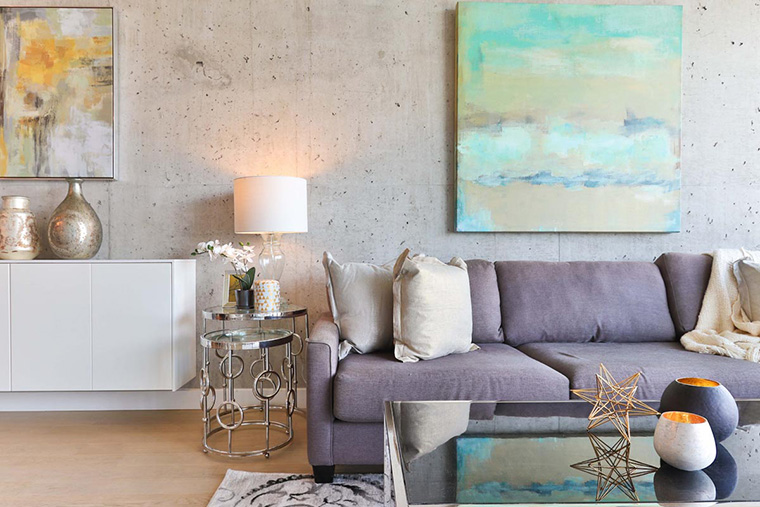
Warming a room effectively requires a dual approach: generating heat efficiently and preventing that heat from escaping. By understanding how thermal energy moves through a living environment, you can transform a drafty, cold room into a cozy, energy-efficient sanctuary without overspending.
1. Thermal Envelope Optimization: Stopping Heat Loss at the Source
Before focusing on how to generate extra heat, you must first address where your existing warmth is escaping. A room acts like a container; if it has leaks, any heat added will quickly dissipate into the surrounding structure or outside air.
- Sealing Window and Door Drafts: Cold air infiltration is the leading cause of uncomfortable indoor temperatures. Installing self-adhesive weatherstripping along window frames and positioning heavy draft stoppers at the base of doors blocks intrusive cold air currents immediately.
- Thermal Curtains and Layered Window Treatments: Windows are major conduits for radiant heat loss. Replacing thin blinds with thick, insulated thermal drapes lined with magnetic edge seals creates a dead air space that acts as an extra layer of insulation.
- Sealing Wall Penetrations: Electrical outlets, light switches, and baseboard gaps on exterior walls often allow cold air from inside wall cavities to enter the room. Placing foam insulation gaskets behind switch plates is a low-cost, high-impact barrier against ambient heat loss.
2. Maximizing Passive Solar Gain and Radiant Heat Dynamics
Nature offers a powerful, free heat source every single day: the sun. Harnessing passive solar radiation during daylight hours significantly boosts indoor temperatures without consuming electricity.
Day and Night Window Management
Adopt a strategic schedule for your window coverings. During peak daylight hours, open all south- and west-facing curtains to allow direct sunlight to flood the room and warm up interior surfaces. As soon as the sun begins to set, close the drapes immediately to trap that accumulated radiant heat inside.
Thermal Mass Utilization
Dense materials such as brick, concrete, stone, and uncarpeted dark hardwood act as thermal sponges. When exposed to direct sunlight, these materials absorb thermal energy throughout the day and slowly radiate that warmth back into the living space during the cooler evening hours.
3. Optimizing Air Circulation and Supplemental Heating Systems
Heating a room efficiently is as much about air movement as it is about temperature generation. Warm air naturally rises toward the ceiling, often leaving the lower living zone feeling chilly while the upper space remains hot.
[Ceiling Fan (Clockwise Direction)] ---> Pushes Trapped Ceiling Heat Down
                                                  |
       +------------------------------------------+------------------------------------------+
       |                                                                                     |
[Oil-Filled Radiator / Panel Heater]                                        [Reflective Foil Insulators]
 (Sustained Ambient Air Heating)                                            (Redirects Heat Off Outer Walls)
Reversing Ceiling Fan Direction
Most ceiling fans feature a winter setting switch. By setting the fan to rotate clockwise at low speed, the blades create a gentle updraft. This updraft pulls cold air upward and pushes the warm air trapped near the ceiling down along the walls back into the living area without creating a cooling breeze.
Choosing the Right Portable Space Heater
Not all supplemental heaters perform the same way:
- Oil-Filled Radiator Heaters: These units take longer to heat up but offer silent, consistent, and long-lasting ambient heat. Even after turned off, the heated oil inside continues to radiate warmth into the room for a considerable period.
- Convection Panel Heaters: Ideal for wall mounting, convection panels draw cool air in from the bottom, heat it internally, and vent warm air gently from the top, creating a steady circulation loop.
4. Soft Furnishings and Tactile Thermal Comfort
Psychological and physical warmth can also be achieved through interior design and strategic textile layering. Cold floor surfaces continuously draw thermal energy away from human feet through conduction, lowering your perceived body temperature.
- Layering Area Rugs: Bare hardwood or tile floors feel cold because they conduct heat away from the body quickly. Covering hard floors with plush area rugs paired with thick felt rug pads adds a vital insulating layer that slows down thermal conduction.
- Optimizing Wall Coverings: Bare, uninsulated exterior walls pull heat out of the room air. Hanging large textile tapestries, canvas art, or tall wooden bookshelves filled with books against exterior-facing walls creates a protective buffer against cold surfaces.
5. Strategic Daily Habits for Immediate Room Warmth
Small adjustments to daily household routines can generate surprising amounts of secondary warmth without increasing heating demands.
- Unlocking the Power of Cooking: After baking or roasting food, turn off the oven and leave the oven door slightly cracked open (provided there are no young children or pets present). The trapped residual heat will naturally warm up adjacent living spaces within minutes.
- Controlled Humidity Regulation: Extremely dry winter air feels significantly colder than air with moderate moisture levels. Utilizing a cool-mist humidifier or keeping indoor plants maintains relative humidity around 40 to 50 percent, allowing the air to hold heat longer and feel noticeably warmer against the skin.
Conclusion
Creating a warm and inviting room does not require expensive structural overhauls or excessive energy consumption. By combining thermal envelope sealing, passive solar harvesting, proper air circulation dynamics, and strategic interior textiles, you can establish an exceptionally efficient indoor environment. Mastering these practical techniques allows you to maintain optimal home warmth, reduce your reliance on energy grids, and enjoy a cozy sanctuary throughout the cold months.