Maintaining a clean and hygienic living environment is often perceived as an overwhelming, time-consuming chore. Many homeowners struggle with reactive cleaning—addressing messes only when they become unavoidable, leading to fatigue and inefficiency. However, transforming home maintenance into an effortless routine relies on adopting systematic, professional strategies rather than relying on sporadic, heavy-duty cleaning sessions.
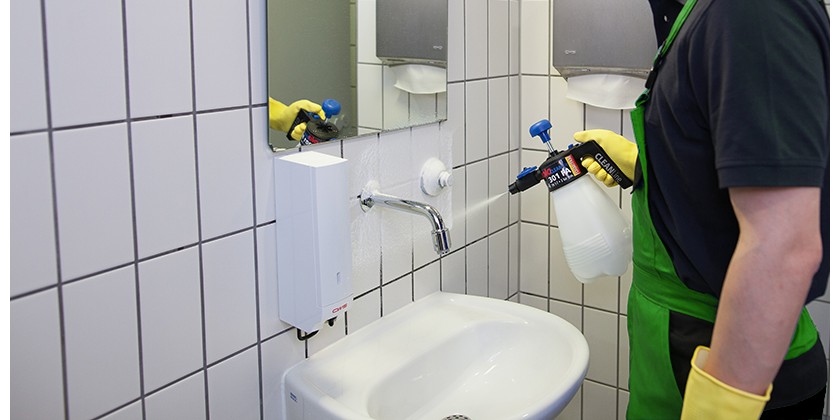
By restructuring your cleaning methodology around zonal workflows, professional tool ergonomics, and non-toxic chemistry, you can keep your home in a perpetual state of order. A strategic approach reduces daily effort while maximizing indoor hygiene and visual clarity.
1. The Top-to-Bottom, Left-to-Right Methodological Framework
The most common mistake in home cleaning is working without a clear directional strategy. Cleaning surfaces at random often results in cross-contamination and dust settling on areas that were already sanitized. Professional cleaners follow a strict spatial system to eliminate redundant labor.
- Vertical Gravity Workflow: Always begin cleaning at the highest point in a room—such as ceiling fans, light fixtures, and upper shelving—and work downward toward the floor. Dust and debris dislodged from upper levels fall naturally, allowing you to sweep or vacuum them up in the final stage without dirtying freshly wiped surfaces.
- Horizontal Rotational Path: Move around a room in a consistent clockwise or counterclockwise direction, completing every task along the wall before moving toward the center. This prevents missed spots and eliminates unnecessary backtracking.
- Zonal Categorization: Divide the home into functional zones based on usage intensity. High-traffic areas like kitchens and entryways require high-frequency, low-effort maintenance, whereas low-traffic bedrooms can be scheduled on a rotational cycle.
2. Optimizing Cleaning Chemistry and Material Ergonomics
Using the correct tools and chemical solutions fundamentally changes the speed and efficiency of cleaning. Investing in high-performance materials reduces physical strain and minimizes reliance on harsh chemical agents.
Microfiber Technology vs. Traditional Textiles
Standard cotton rags and paper towels push dirt around and leave behind lint and streaks. High-density microfiber cloths feature split fibers that create a microscopic static charge, trapping fine dust particles and lifting greasy residues without scratching delicate surfaces. Color-coding microfiber cloths by room—such as blue for glass, yellow for bathrooms, and green for kitchens—prevents bacterial cross-contamination.
Strategic Dwell Time for Cleaning Solutions
Spray-and-wipe habits waste both cleaning product and physical effort. Most sanitizing and descaling agents require dwell time—a period of two to five minutes where the active ingredients break down grease, mineral buildup, or organic matter. Allowing a solution to sit does the heavy lifting for you, reducing the need for aggressive scrubbing.
3. Room-Specific High-Efficiency Cleaning Routines
Different areas of the home present distinct biological and structural challenges. Tailoring your approach to each room ensures deeper sanitation in less time.
[Declutter & Clear Surfaces] ---> Apply Dwell-Time Cleaners
                                         |
       +---------------------------------+---------------------------------+
       |                                                                   |
[Top-Down Surface Wipedown]                                   [Floor Vacuuming & Mopping]
 (High Fixtures to Countertops)                                (Final Debris Collection)
The Kitchen: Grease Management and Surface Prep
- Keep countertops completely clear by utilizing vertical magnetic strips for knives and wall-mounted racks for utensils.
- Clean cooking surfaces immediately after meal preparation while stove components retain mild heat, as warm grease dissolves significantly easier than cold, hardened residue.
- Sanitize sink basins daily with mild dish soap and baking soda to prevent odor-causing bacterial film from accumulating in drainage pipes.
The Bathroom: Moisture Control and Limescale Prevention
- Use a squeegee on glass shower doors and tiled walls immediately after every shower. Removing standing water prevents hard water mineral deposits and mold growth, eliminating the need for harsh descaling chemicals later.
- Keep disinfectant wipes or dedicated microfiber cloths stored directly inside bathroom cabinets for quick, daily wipe-downs of faucets, handles, and sink counters.
4. Establishing a Sustainable Maintenance Cadence
The secret to a consistently clean home is not spending hours cleaning on weekends, but integrating micro-routines into daily habits. Small, incremental actions prevent mess from compounding into overwhelming tasks.
- The Two-Minute Rule: If a cleaning action takes under two minutes—such as emptying the dishwasher, wiping a mirror, or putting away shoes—execute it immediately.
- Nightly Reset: Spend ten minutes every evening returning misplaced items to their designated locations and wiping down central kitchen surfaces. Waking up to a clear environment sets a structured tone for the day.
- Rotational Deep-Cleaning Schedule: Assign one major task—such as washing windows, cleaning baseboards, or conditioning wooden furniture—to a specific day of the week. This keeps heavy maintenance manageable across the entire month.
5. Indoor Air Quality and Floor Surface Care
Cleaning is not merely a visual endeavor; it directly impacts indoor environmental health. Dust accumulation harbors allergens, pet dander, and microscopic particulates that degrade indoor air quality.
High-Efficiency Vacuuming
Utilize a vacuum cleaner equipped with a certified HEPA (High-Efficiency Particulate Air) filter. Standard vacuums often exhaust fine dust particles back into the room’s air. Vacuum high-traffic areas slowly, making overlapping passes to pull embedded grit out of carpet fibers and floor grooves.
Damp Mopping Techniques
Avoid over-saturating hard floors with excess water, which can warp hardwood and degrade grout lines. Use a damp microfiber mop with a neutral pH floor cleaner to lift dissolved dirt without leaving residue or moisture damage.
Conclusion
An efficient home cleaning routine relies on systematic discipline, proper material science, and consistent daily habits. By implementing a top-to-bottom spatial strategy, respecting chemical dwell times, and practicing daily micro-maintenance, you eliminate the stress of chaotic cleaning sessions. Transforming home sanitation into an organized workflow yields a healthier, more tranquil living space that requires minimal effort to sustain.