The concept of a modern home has evolved far beyond sleek furniture and minimalist decor. Today, modern residential design represents a holistic approach to living—one that seamlessly merges structural functionality, technological intelligence, environmental sustainability, and psychological well-being. Rather than treating a house as merely a physical shelter, the contemporary architectural movement views the home as a dynamic, adaptable ecosystem tailored to the nuanced demands of modern human life.
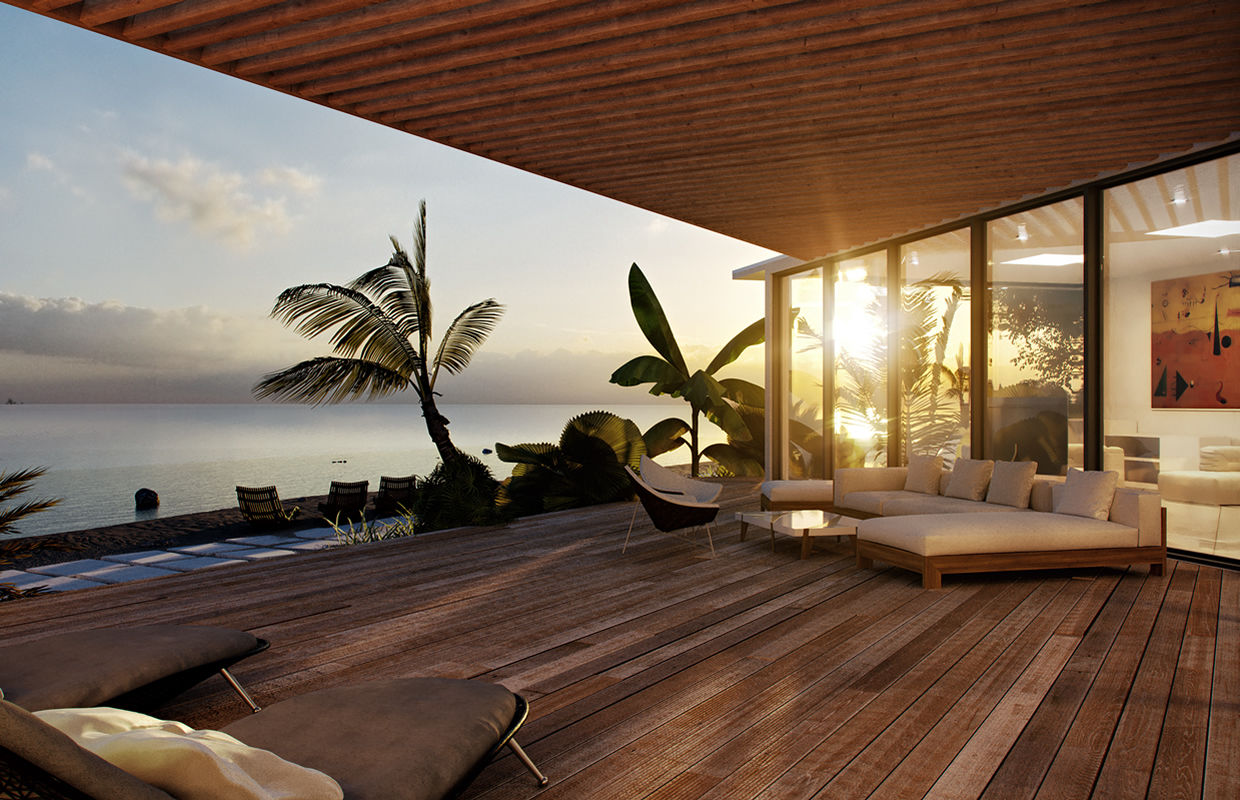
Understanding the true essence of modern home design requires looking past superficial aesthetics. It involves examining how space, light, materials, and digital connectivity interact to create an environment that enhances daily routines and fosters long-term comfort.
1. Spatial Fluidity and Purposeful Open Planning
One of the defining hallmarks of modern residential architecture is the departure from rigid, compartmentalized rooms. Traditional floor plans relied on distinct walls to separate the kitchen, dining, and living areas, often creating tight, isolated pockets within the house.
Modern design prioritizes spatial fluidity—an architectural philosophy that emphasizes uninterrupted movement and visual continuity across different living zones.
- Multi-Functional Living Zones: Open floor plans allow a single space to serve multiple functions, transitioning effortlessly from a quiet morning workspace to a vibrant social area in the evening.
- Visual Continuity: By minimizing interior barrier walls, natural light penetrates deep into the core of the home, making smaller footprints feel expansive and interconnected.
- Integrated Storage Solutions: To maintain the clean lines characteristic of open planning, modern homes rely heavily on concealed, floor-to-ceiling storage, keeping clutter out of sight and preserving spatial harmony.
2. The Biophilic Connection: Harmonizing Indoor and Outdoor Environments
Modern home design places a strong emphasis on biophilic architecture—the practice of connecting human beings with natural environments within the built space. As urban living grows increasingly dense, bringing nature indoors has shifted from a luxury feature to a vital component of mental and physical wellness.
Natural Light Optimization
Large floor-to-ceiling glass panels, strategically placed skylights, and glass curtain walls are used to capture ambient sunlight throughout the day. This reduces reliance on artificial lighting and helps regulate human circadian rhythms.
Material Authenticity
Modern homes favor raw, authentic materials over synthetic imitations. Exposed timber beams, natural stone accents, polished concrete floors, and matte metals bring tactile warmth into the space, creating a balanced contrast against crisp architectural lines.
Seamless Indoor-Outdoor Transitions
Designers achieve continuity by utilizing flush threshold doors that slide completely out of view, extending interior living rooms directly onto covered patios, garden courtyards, or outdoor kitchens.
3. Intelligent Home Infrastructure and Passive Technology
A modern home is intrinsically connected. However, the latest trend in smart residential design moves away from visible, complex gadgetry toward invisible automation—technology that operates quietly in the background to improve efficiency and convenience.
[Environmental Sensors] ---> Central Automation Hub
                                     |
       +-----------------------------+-----------------------------+
       |                                                           |
[Automated Solar Shading]                                [Adaptive Climate Control]
 (Optimizes Heat Gain)                                    (Regulates HVAC Performance)
- Integrated Climate and Shading: Automated window treatments adjust based on the sun’s position throughout the day, preventing excessive solar heat gain during summer months while maximizing natural warmth in the winter.
- Smart Energy Management: Modern homes integrate battery storage systems connected to rooftop solar arrays, managed by software that optimizes power consumption based on peak utility rates and household usage patterns.
- Invisible Audio-Visual Systems: Architectural speakers built flush into drywall and hidden display screens ensure that high-tech entertainment capabilities do not disrupt the clean visual aesthetic of the home.
4. Sustainable Engineering and Energy Autonomy
Sustainability is no longer an optional add-on in modern home design; it is a foundational requirement. Contemporary houses are engineered from the ground up to minimize their carbon footprint and reduce energy consumption.
High-Performance Building Envelopes
To achieve high energy efficiency, modern homes utilize advanced insulation techniques, double- or triple-glazed low-emissivity (Low-E) windows, and airtight sealing. This prevents thermal bridging, ensuring the house retains heat during winter and stays cool during summer with minimal HVAC intervention.
Passive Solar Strategy
Orienting the home correctly on its site allows it to harness natural elements effectively. Overhanging eaves block harsh summer sun rays while allowing lower winter sunlight to penetrate and heat thermal mass floors naturally.
5. Human-Centric Interior Ergonomics and Psychological Comfort
Ultimately, a modern home must serve the psychological needs of its occupants. Beyond structural efficiency and technology, modern interior architecture focuses on human-centric design—creating environments that reduce stress and promote relaxation.
- Acoustic Management: Open-plan spaces can suffer from sound reverberation. Modern design incorporates acoustic ceiling panels, soft textile furnishings, and sound-dampening wall panels to maintain a peaceful ambient soundscape.
- Minimalist Organization: By emphasizing intentional design over excess decoration, modern homes eliminate visual noise, creating an atmosphere of calm and order that supports mental clarity.
Conclusion
The modern home is far more than a collection of contemporary stylistic choices. It represents a thoughtful convergence of open-space planning, biophilic integration, sustainable engineering, and intuitive technology. By focusing on how a home functions and feels rather than just how it looks, modern design creates living spaces that are resilient, energy-efficient, and deeply attuned to the well-being of the people who inhabit them. Constructing or remodeling a home around these modern principles ensures a timeless sanctuary capable of adapting to the future.