Living by the ocean is a dream shared by many, offering breathtaking views, refreshing sea breezes, and an undeniable sense of tranquility. However, building a home near the beach involves far more than simply selecting a scenic lot and choosing an architectural style. The coastal environment presents unique challenges, including salt spray, high humidity, powerful winds, shifting sands, and coastal erosion. Constructing a beach house requires specialized engineering, careful material selection, and deliberate architectural planning to ensure your home remains safe, comfortable, and durable for decades to come.
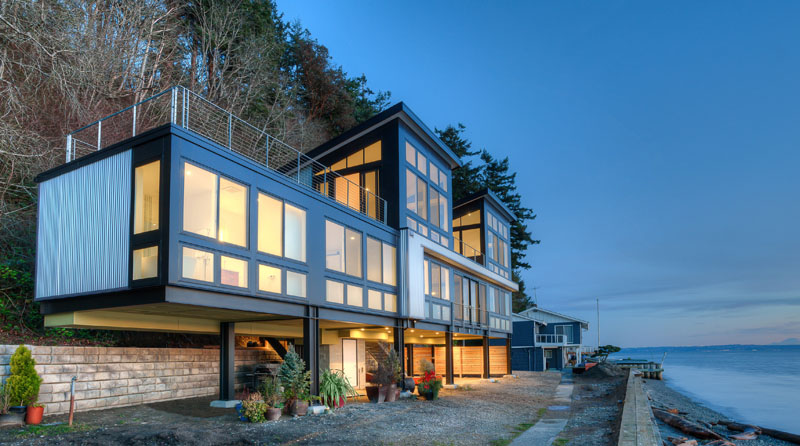
1. Navigating Coastal Regulations and Environmental Zoning
Before laying a single brick or digging a foundation, it is critical to understand the legal and environmental parameters governing coastal development. Coastal properties are subject to strict regulatory oversight designed to protect both the natural environment and property owners.
- Setback Requirements: Coastal management authorities enforce setback lines to ensure structures are built a safe distance from dynamic shorelines, sand dunes, and high-tide marks. These regulations protect homes from storm surges and preserve delicate coastal ecosystems.
- Building Codes and Flood Maps: Local municipalities maintain stringent building codes tailored to hurricane zones and flood-prone areas. Reviewing local flood maps determines the necessary base flood elevation for your design, which dictates how high off the ground your home must be built.
- Environmental Impact Studies: In many coastal regions, development requires environmental assessments to ensure that construction will not disrupt local vegetation, wildlife habitats, or natural drainage paths.
2. Structural Foundations: Elevating for Safety and Stability
Standard slab-on-grade foundations are rarely suitable for properties directly adjacent to the beach. The dynamic nature of coastal soil—composed largely of loose, shifting sand—demands specialized structural engineering to withstand water forces and land movement.
Piling Foundations
Pilings are long columns made of reinforced concrete, treated timber, or steel driven deep into the ground until they anchor into dense subsoil or bedrock. By elevating the main living space above the anticipated storm surge level, pilings allow floodwaters to flow beneath the structure without applying pressure directly to the living areas.
Open-Foundation Architecture
An open foundation design utilizes columns, piers, or stilts. This approach minimizes the surface area exposed to rising tides and high-velocity water currents during severe storms, reducing the risk of structural failure caused by hydrostatic pressure.
3. Material Selection: Defending Against Salt, Wind, and Moisture
The coastal atmosphere is inherently hostile to traditional building materials. Airborne salt accelerates corrosion, humidity fosters mold growth, and intense ultraviolet light rapidly degrades standard finishes. Selecting high-performance, weather-resistant materials is essential to minimize long-term maintenance costs.
Corrosion-Resistant Metals
Standard steel and iron deteriorate rapidly when exposed to salt air. Coastal construction demands marine-grade stainless steel (such as 316 grade), copper, or heavy-duty anodized aluminum for fasteners, flashing, railings, and hardware.
High-Durability Exterior Cladding
- Fiber Cement Siding: Resistant to rot, moisture, insect damage, and salt air, fiber cement provides excellent durability while mimicking the appearance of natural wood.
- Composite Decking: Synthetic or composite decking materials resist warping, splintering, and moisture absorption far better than untreated timber in humid marine environments.
- Impact-Resistant Windows and Doors: Coastal homes require double-paned, laminated impact glass designed to withstand flying debris during severe windstorms while offering superior thermal insulation.
4. Architectural Design and Indoor Climate Control
A well-designed coastal home works in harmony with its surroundings, maximizing natural light and ocean breezes while minimizing heat gain and wind resistance.
[Ocean Winds] ---> Aerodynamic Roof Profile (Hip Roof)
                        |
       +----------------+----------------+
       |                                 |
[Shielded Recessed Balconies]     [Cross-Ventilation Layout]
 (Protected Outdoor Living)        (Natural Cooling & Moisture Control)
Aerodynamic Roof Configurations
Roof design plays a pivotal role in wind resistance. Hip roofs—which slope downward on all four sides—perform significantly better in high-wind conditions compared to flat or standard gable roofs, as they distribute wind loads more evenly across the structure.
Advanced HVAC and Moisture Management
High humidity levels can compromise indoor air quality if left unmanaged. Installing a robust HVAC system equipped with dedicated dehumidifiers and continuous ventilation ensures optimal indoor humidity levels, preventing the growth of mold and mildew within wall cavities.
5. Sustainable Landscaping and Coastal Conservation
Landscaping around a beach home serves both aesthetic and functional purposes. Native plants play a vital role in stabilizing soil, controlling erosion, and reducing maintenance requirements.
- Utilizing Native Flora: Planting native coastal vegetation—such as sea oats, beach grasses, and salt-tolerant shrubs—creates a natural buffer against wind and wave action while requiring minimal irrigation and fertilizer.
- Permeable Hardscaping: Using gravel, permeable pavers, or raised boardwalks instead of solid concrete walkways allows rainwater to filter naturally into the ground, reducing surface runoff and soil erosion.
Conclusion
Building a home near the beach is an rewarding project that balances natural beauty with thoughtful engineering. Success relies on respecting the power of the coastal environment through careful planning, robust foundation design, high-quality materials, and sustainable landscaping. By incorporating resilient building practices into your design from the very beginning, you can create a sanctuary by the sea that provides safety, comfort, and enduring value for years to come.