The concept of a “Dream House” is a deeply personal and evocative idea. For some, it is a sleek, glass-walled sanctuary perched on a cliffside overlooking the ocean. For others, it is a sprawling, ivy-covered farmhouse with a porch swing and the smell of cedar in the air. Regardless of the aesthetic, a dream house represents the ultimate intersection of human creativity, financial achievement, and the primal need for a sanctuary that perfectly aligns with one’s lifestyle.
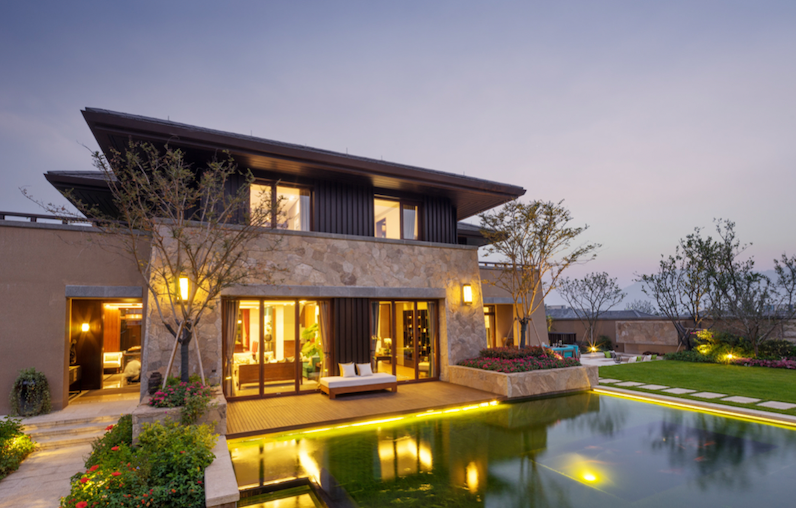
Creating a dream house is a journey that moves from the abstract world of imagination into the concrete world of blueprints, budgets, and building permits. It is perhaps the most significant project an individual will ever undertake. This article explores the philosophy of the dream house, the essential elements that turn a structure into a masterpiece, and the practical steps required to bring such a vision to life.
The Philosophy of the Dream House: Beyond Bricks and Mortar
A dream house is more than just a real estate asset; it is a physical manifestation of one’s values and aspirations. In architectural psychology, the home is considered an extension of the self. Therefore, the first step in defining a dream house is not choosing a floor plan, but conducting a deep audit of how you want to feel within your walls.
Do you value social connection and frequent entertaining? Then your dream house likely features an expansive, open-concept kitchen and a seamless transition to outdoor living spaces. Do you value solitude and intellectual pursuit? Then a tucked-away library with soundproofing and natural northern light might be the “soul” of your design. The perfect home is one that removes the friction from your daily life and replaces it with inspiration.
Key Elements of a Dream House Design
While every dream house is unique, the most successful designs share several core characteristics that ensure the home remains timeless and functional for decades.
1. Harmony with the Landscape
A true dream house should never look like it was simply dropped onto a plot of land. It should feel as though it grew out of the environment. This is known as site-specific architecture. Whether it is a desert home that uses thermal mass to stay cool or a forest cabin with floor-to-ceiling windows that frame the trees like living art, the house must respect and enhance its surroundings.
2. The Mastery of Light
Light is the most important “material” in any luxury home. A well-designed dream house utilizes passive solar design to maximize natural illumination throughout the day. This involves orienting the house to capture the morning sun in breakfast nooks and the golden hour in the living areas. The use of skylights, clerestory windows, and light wells can transform a dark interior into a vibrant, high-energy space.
3. Timeless Materials
A dream house is often intended to be a legacy. To achieve this, builders and architects prioritize “honest” materials—those that age gracefully and develop a patina over time. Think of reclaimed oak flooring, natural stone countertops, copper roofing, and handmade bricks. These materials provide a tactile richness that synthetic alternatives simply cannot replicate.
The Practical Path: From Vision to Reality
Turning a dream into a reality requires a transition from the “dreamer” phase to the “project manager” phase. This is where many people encounter hurdles, but a structured approach can ensure a smooth process.
Selecting the Right Team
You cannot build a masterpiece alone. The success of your dream house depends heavily on the synergy between three key players: the Architect, the Interior Designer, and the General Contractor. The architect provides the vision and structural integrity, the designer ensures the space is livable and beautiful, and the contractor executes the plan with precision. Vetting these professionals through their portfolios and references is the most important investment of time you will make.
The Realistic Budget and Contingency
Even the most luxurious dream houses have budgets. A professional budget calculation includes not just the “hard costs” of lumber and labor, but the “soft costs” of permits, architectural fees, and landscaping. A critical tip for anyone building their dream home is to maintain a 15% to 20% contingency fund. This ensures that when you inevitably decide to upgrade to that premium marble or encounter a soil issue, the project doesn’t lose momentum.
Future-Proofing for Longevity
A common pitfall in designing a dream house is designing only for the present. A true dream home accounts for the future. This includes integrating smart home technology that can be easily upgraded, ensuring the home is energy efficient through high-quality insulation and solar readiness, and considering “universal design” principles that allow for aging in place.
The Role of Personal Touches
What truly separates a dream house from a high-end luxury listing are the personal details that reflect the owner’s history. It could be a custom-built wine cellar for an avid collector, a dedicated art studio with specific ventilation, or even a secret door leading to a hidden playroom for children. These “easter eggs” of design are what infuse a house with personality and make it a unique sanctuary that could belong to no one else.
Conclusion
A dream house is the ultimate celebration of one’s life and achievements. It is a complex puzzle where art meets engineering, and where personal desire meets practical reality. By focusing on harmony with nature, the mastery of light, and the selection of timeless materials, you can create a structure that transcends fashion. While the process of building or finding such a home can be demanding, the reward is a living space that nurtures your spirit and serves as a backdrop for your life’s most precious memories.
Would you like me to help you create a specific “Dream House Design Brief” to help you organize your ideas before you meet with an architect or designer?