In an unpredictable geopolitical climate, the concept of home security has evolved drastically. No longer confined to smart cameras and reinforced locks, true preparedness for extreme conflict now reaches deep underground. Building a residential bunker is no longer just a trend for survivalist enthusiasts—it is a sophisticated engineering endeavor that blends military-grade defense with modern architectural principles.
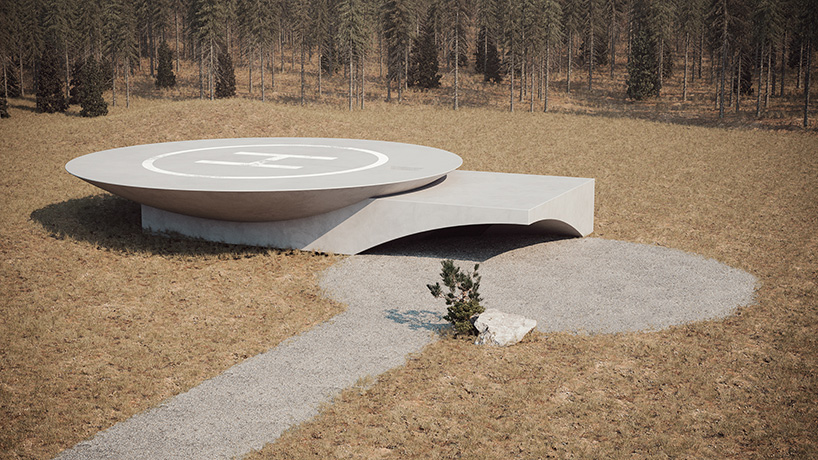
If you are considering constructing a fallout or blast shelter beneath your home, relying on basic DIY advice or simple concrete walls is a critical mistake. To withstand modern warfare risks, a residential bunker must be built as a self-sustaining ecosystem.
1. Structural Integrity and Advanced Material Science
The first line of defense for any underground shelter is its structural envelope. Modern residential bunkers must resist dynamic ground shock waves, overhead blast pressures, and heavy debris loads from collapsing structures above.
- High-Performance Concrete (HPC): Standard home foundation concrete lacks the tensile strength to endure military-grade impact. Bunkers require high-performance, fiber-reinforced concrete mixed with micro-silica to increase density and reduce permeability against groundwater and radiation.
- Hydrophobic Coatings and Waterproofing: Underground structures are constantly threatened by moisture ingress. Applying elastomeric membrane layers alongside crystalline waterproofing agents ensures that concrete remains dry and structurally sound for decades.
- Geotechnical Considerations: Before digging, a comprehensive soil test is mandatory. Soil composition, depth to bedrock, and seasonal water table levels dictate whether you can build a multi-level subterranean bunker or if you must settle for a shallow, heavily reinforced design.
2. Life Support Systems: Air Filtration and Climate Control
In a wartime scenario, air quality outside the bunker can quickly become lethal due to smoke, toxic industrial chemicals, or CBRN (Chemical, Biological, Radiological, and Nuclear) agents. A closed underground space without proper ventilation will become unlivable within hours.
NBC/CBRN Air Filtration Units
A standard HVAC system is useless in a survival scenario. Your shelter requires an industrial-grade CBRN air filtration system equipped with:
- Pre-filters: To catch large dust and soot particles.
- HEPA Filters: To trap microscopic radioactive fallout particles and biological spores.
- Activated Charcoal Filters: To neutralize toxic gases and chemical agents.
Overpressure Protection
To prevent contaminated outside air from leaking into the bunker through microscopic cracks, the filtration system must maintain positive air pressure inside the living area. This ensures that air continuously pushes outward, preventing toxic elements from entering when blast doors are opened briefly.
3. Power Generation and Off-Grid Energy Independence
Relying on the municipal electrical grid during a conflict is realistic only for the first few minutes. A robust bunker must feature redundant power architecture to run air filtration, lighting, refrigeration, and water pumps indefinitely.
[Primary Grid Input] ---> Automatic Transfer Switch (ATS)
                               |
       +-----------------------+-----------------------+
       |                                               |
[Solar/Battery Array]                       [Silent Diesel Generator]
 (Primary Off-Grid)                           (Backup & Heavy Load)
- Battery Banks (LiFePO4): Lithium Iron Phosphate batteries offer high energy density, long cycle life, and high thermal stability. Paired with hidden surface-level solar arrays or geothermal generators, they supply clean power without generating noise.
- Inverted Diesel Generators: Generators remain essential for heavy loads. However, they must be housed in a soundproof, vibration-damped sub-compartment with dedicated exhaust channels that incorporate thermal shielding to prevent heat detection from above.
4. Resource Management: Water, Food, and Waste Disposal
Survival time is directly proportional to your supply chain management. Storing resources is only half the battle; keeping them fresh and managing waste is the real challenge.
Water Harvesting and Purification
Humans need a minimum of one gallon of water per day for drinking and sanitation. To support a family for months:
- Implement underground poly-wrapped storage tanks with automated water circulation systems to prevent stagnation.
- Install multi-stage filtration units combining reverse osmosis (RO) and ultraviolet (UV) sterilization to process harvested rainwater or well water.
Long-Term Food Preservation
Opt for freeze-dried meals, vacuum-sealed grains, and canned goods with shelf lives exceeding 25 years. Storage rooms must be climate-controlled, kept below 20°C (68°F), and shielded from humidity to maximize food shelf life.
Closed-Loop Waste Processing
Traditional plumbing fails when external utility lines freeze or break. Bunkers require dry-composting toilet systems or heavy-duty ejector pumps connected to dedicated underground holding tanks equipped with bio-digestive enzymes.
5. Tactical Layout, Security, and Psychological Well-Being
Designing a residential bunker is as much a psychological challenge as a physical one. Confining a family to a limited subterranean space for weeks or months requires thoughtful interior planning.
Architectural Zoning
Divide the bunker into distinct zones to maintain hygiene and privacy:
- Dirty Zone (Airlock & Decontamination): Located directly behind the blast door. Equipped with a shower and chemical disposal units to strip off contaminated clothing before entering living spaces.
- Clean Living Zone: Dormitories, kitchen, and communal areas designed with warm lighting and adequate head clearance to reduce feelings of claustrophobia.
- Utility Zone: Power generators, air filtration equipment, and heavy machinery, isolated behind acoustic barriers.
Psychological Ergonomics
Prolonged isolation without natural sunlight causes severe circadian rhythm disruption. Incorporate full-spectrum LED lighting designed to simulate natural daylight cycles, paint interior walls with light, neutral tones, and design dedicated spaces for exercise and mental recreation.
Conclusion
Building a residential warfare bunker is a complex engineering commitment that demands meticulous planning across structural, mechanical, and psychological disciplines. By prioritizing structural integrity, implementing military-grade CBRN air filtration, establishing off-grid power redundancies, and designing human-centric living spaces, you transform a simple underground hole into an impenetrable sanctuary. True preparation does not rely on luck—it relies on precise design, quality materials, and a proactive strategy to safeguard what matters most.